
Carthage Music

Carthage Music was founded in 2003 by record producer and author Joe Boyd—known for his work with artists such as Pink Floyd, Nick Drake, R.E.M., Kate & Anna McGarrigle, Toots & The Maytals, and Toumani Diabaté, many of whom were released on his influential label Hannibal during the 1980s and 1990s. Carthage Music Publishing’s roster spans a rich and diverse range of artists and composers. It includes 20th-century Bulgarian composer Philip Koutev, the acclaimed alternative country, blues and folk band Cowboy Junkies, and celebrated singer-songwriter Bonnie Dobson.
Artists
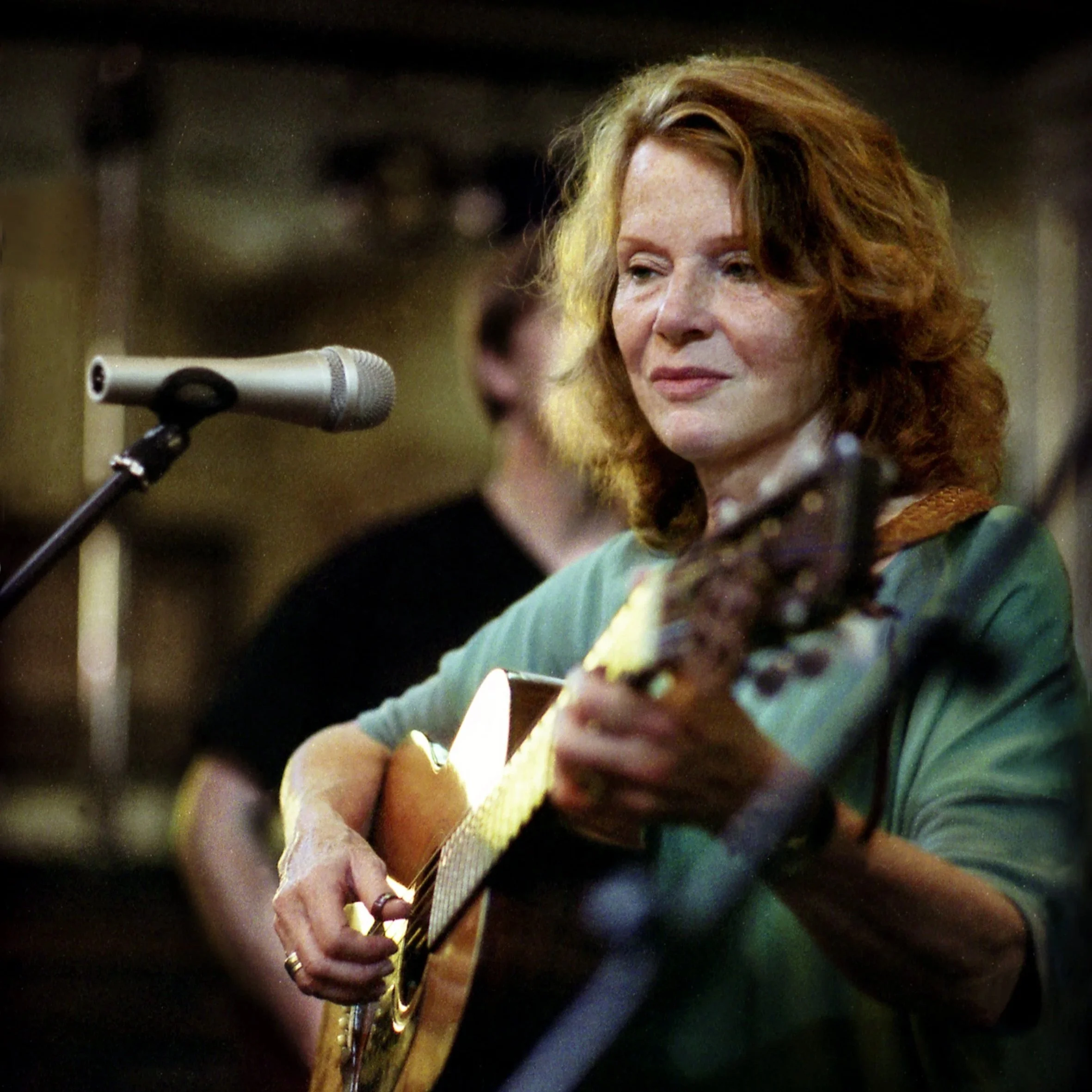
Bonnie Dobson
Canadian-born folk singer-songwriter started her career in the Greenwich Village folk scene of the 1960s. Best known as the composer of the ever-fresh 'Morning Dew', the first song she wrote, she was a regular at Gerdes Folk City and recorded several albums during the 1960s. Bonnie was invited to perform at Jarvis Cocker's Meltdown in 2007 as one of the Lost Ladies of Folk, sparking a new era of creativity, releasing an album for the Hornbeam label in 2014, featuring 'her boys': top, young UK folk rock musicians and a mix of old and new songs, all recorded at the analogue east London studios of producer Sean Read. Bonnie continued to write new songs and to interact with a host of London musicians. She met the Hanging Stars in the early 2020s and sensed that she'd found the perfect accompanists for her new compositions. By now in her eighties, Bonnie and the psychedelic cowboys proved a match ripe to be made. With no concrete plan, they worked up a few songs, then went back into Sean Read’s studio to see what might happen. The result was Dreams, comprising eight songs, six of which were recent compositions never before studio-recorded. The album was released to critical acclaim on Loose Music in 2025.

Chris Franck
Chris Franck is a Dutch-born English multi-instrumentalist, songwriter, record producer, and remixer, best known for his involvement with the bands Batu, Da Lata, Smoke City, and Zeep. Franck's musical influences include samba, Bossa nova, the music of Africa, folk music, funk, and rock music. Chris initially gained success in 1992 in the group Batu, featuring Oli Savill, Franc O'Shea and Tristan Banks, among others. He went on to form Smoke City in the late 1990s with Brazilian vocalist Nina Miranda (his ex-partner). A blend of acid jazz, trip hop, samba and boosa nova, Smoke City helped define the London music scene in the late 1990s. Their single ‘Underwater Love’ debuted on the UK Singles Chart after appearing as part of a Levi's ad campaign in the United Kingdom. Chris co- wrote and produced two albums with Smoke City for Jive Records: Flying Away and Heroes of Nature. Zeep emerged as a follow-up live band which Franck created with Nina Miranda.
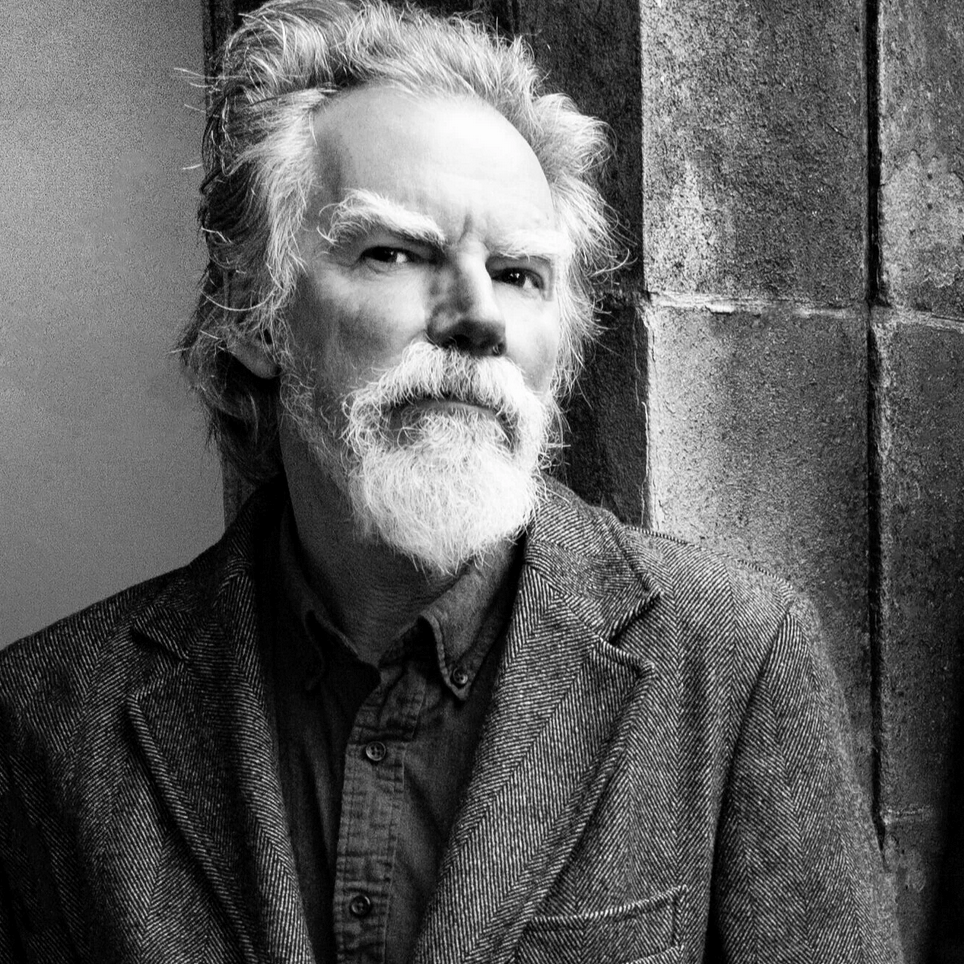
Colin Bass
Colin Bass is an English musician, singer, songwriter and record producer. During his over five-decade career (and still counting), he has worked in a wide range of musical fields with a diverse range of international artists: most extensively with British prog- rock veterans, Camel, and world-music pioneers, 3 Mustaphas 3. He was also a member of British guitarist Steve Hillage’s Band and has appeared as bassist on albums by top Malian singing star, Oumou Sangare (Ko Sira, 1993), Zimbabwean Mbira Queen, Stella Chiweshe (Ambuya, 1988, Nigerian percussionist Gasper Lawal (Ajomase, 1980, Abiosunni, 1985), and Senegambian kora masters, Dembo Konte and Kausu Kouyateh (Jali Roll, 1990), amongst others. He has released three albums under his own name – An Outcast of the Islands (1998), In The Meantime (2003), At Wild End (2014) and a series of three albums recorded in Indonesia between 1992 and 1999, in the guise of his 3 Mustaphas 3 persona, Sabah Habas Mustapha. The title track of the first, ‘Denpasar Moon’, became a hugely popular song in Indonesia in the mid-1990s and has been covered by over 50 Indonesian, Malaysian, and Japanese artists.
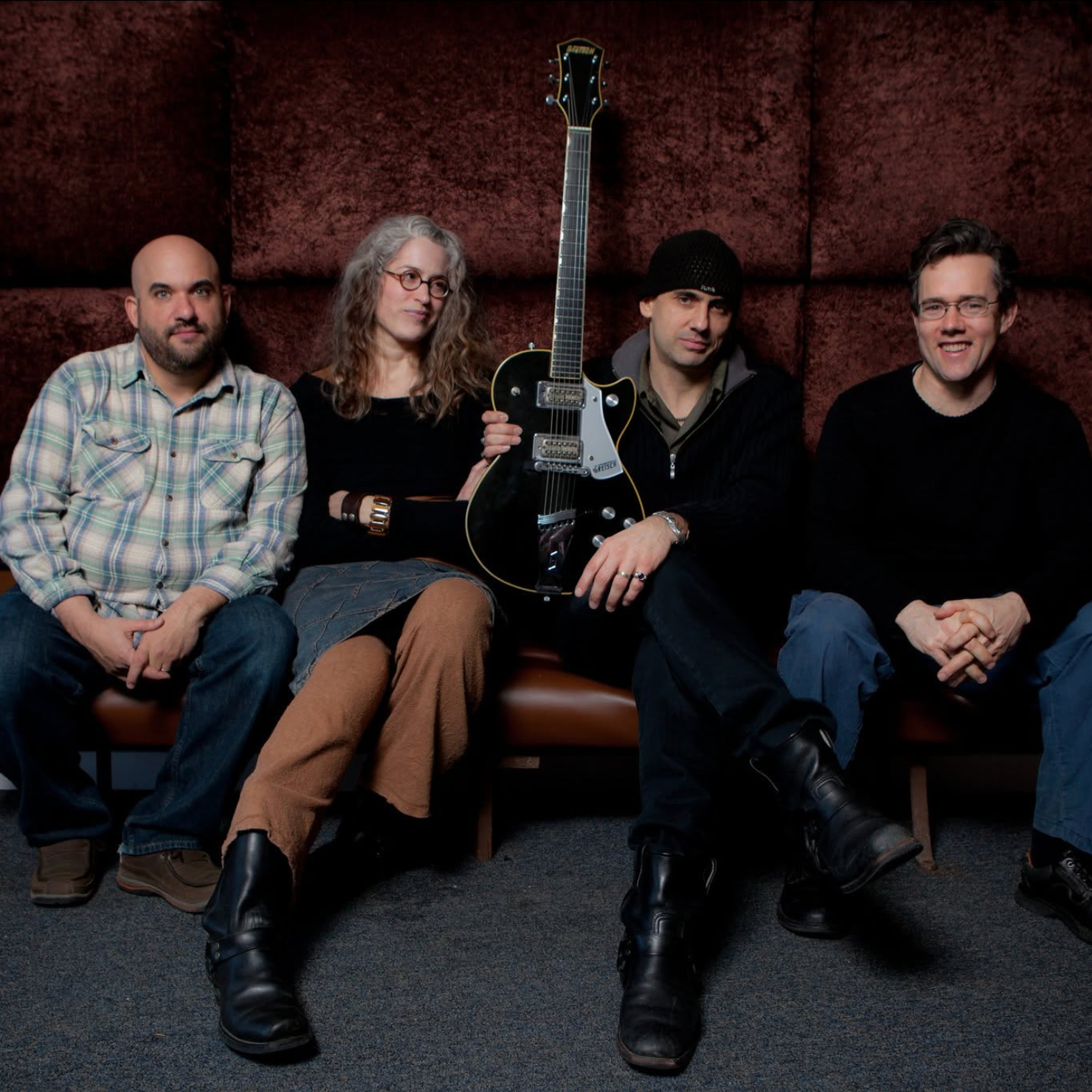
Cornelia’s Dad
Cordelia’s Dad is an American folk punk band instrumental in creating the genre later dubbed “No Depression”. Formed in 1987 in Northampton, Massachusetts, by Amherst students Tim Eriksen (bass, vocals), Peter Irvine (drums), and Tom King (guitar). Beginning with an unabashed punk rock fury and evolving into the tender, intricate acoustic songs of Spine (1998) – their most critically acclaimed album – the common threads have been powerful harmony singing, haunting melodies, and insistent rhythm. Cordelia’s Dad taps into deep veins of American experience and musical tradition, forging a sound that’s just as surprising as it is familiar.
They have travelled throughout North America and Europe, melding their passionate interpretations of early American hymns, ballads, and fiddle and banjo tunes with their own contemporary pop music sensibilities. From 1995 to 1998, the band included fiddler Laura Risk. Largely dormant since 1999, the band emerged briefly from a hiatus in 2002, releasing What It Is, its first full bore studio rock album with the new line up. A subsequent return to hibernation continued until 2007, when the band reemerged for a series of anniversary shows.

Damir Imamović
Damir Imamović, born in 1978, is a singer, musician, author and sevdah master from Sarajevo, Bosnia and Herzegovina. Descending from a family dynasty of sevdah musicians, he represents a new generation of the traditional music of Bosnia and Herzegovina. Since 2005, Damir has performed with his Trio, his quartet Damir Imamović’s Sevdah Takht, as well as with Jelena Popržan, Bojan Z, Eric Vloeimans, Greg Cohen and Derya Türkan, for various projects, touring extensively all over Europe, China, Mexico and the US.
He has released seven albums, with renowned producers such as Chris Eckman on Dvojka, and Joe Boyd and Andrea Goertler for his last two albums, Singer of Tales (Wrasse Records, 2020) and The World and All That it Holds (Smithsonian Folkways, 2023), a genre-spanning creative collaboration with Bosnian American author Aleksandar Hemon. Damir regularly writes for theatre and film, produces other Bosnian artists and is a passionate traditional music educator with his SevdahLab program and as a senior teaching assistant at the Department of Musicology and Ethnomusicology at the University in Sarajevo. He is the author of Sevdah (Vrijeme, 2016), the first history of the genre.

Greg Cohen
Greg Cohen is an acclaimed American jazz bassist best known for his foundational work with John Zorn's Masada Quartet. Greg has worked with a wide variety of artists in many styles of music, from traditional jazz with Ornette Coleman, Ken Peplowski, Kenny Davern, Marty Grosz and the filmmaker/clarinettist Woody Allen, to other collaborations including Tom Waits, David Byrne, Elvis Costello, Dagmar Krause, David Sanborn, Susana Baca, Laurie Anderson, Willie Nelson, Bill Frisell, Norah Jones, Dave Douglas, Tricky, Keith Richards and Charlie Watts, Joey Baron, Bob Dylan, Nina Nastasia, Lou Reed, Marianne Faithfull, Odetta, and Antony and the Johnsons. He has worked as an arranger, producer, musical director and composer for theatre, film, television and recording studios. He is a professor at the Jazz Institute Berlin and an honorary professor in contemporary rhythmic music at the SDMK – Danish National Academy of Music.
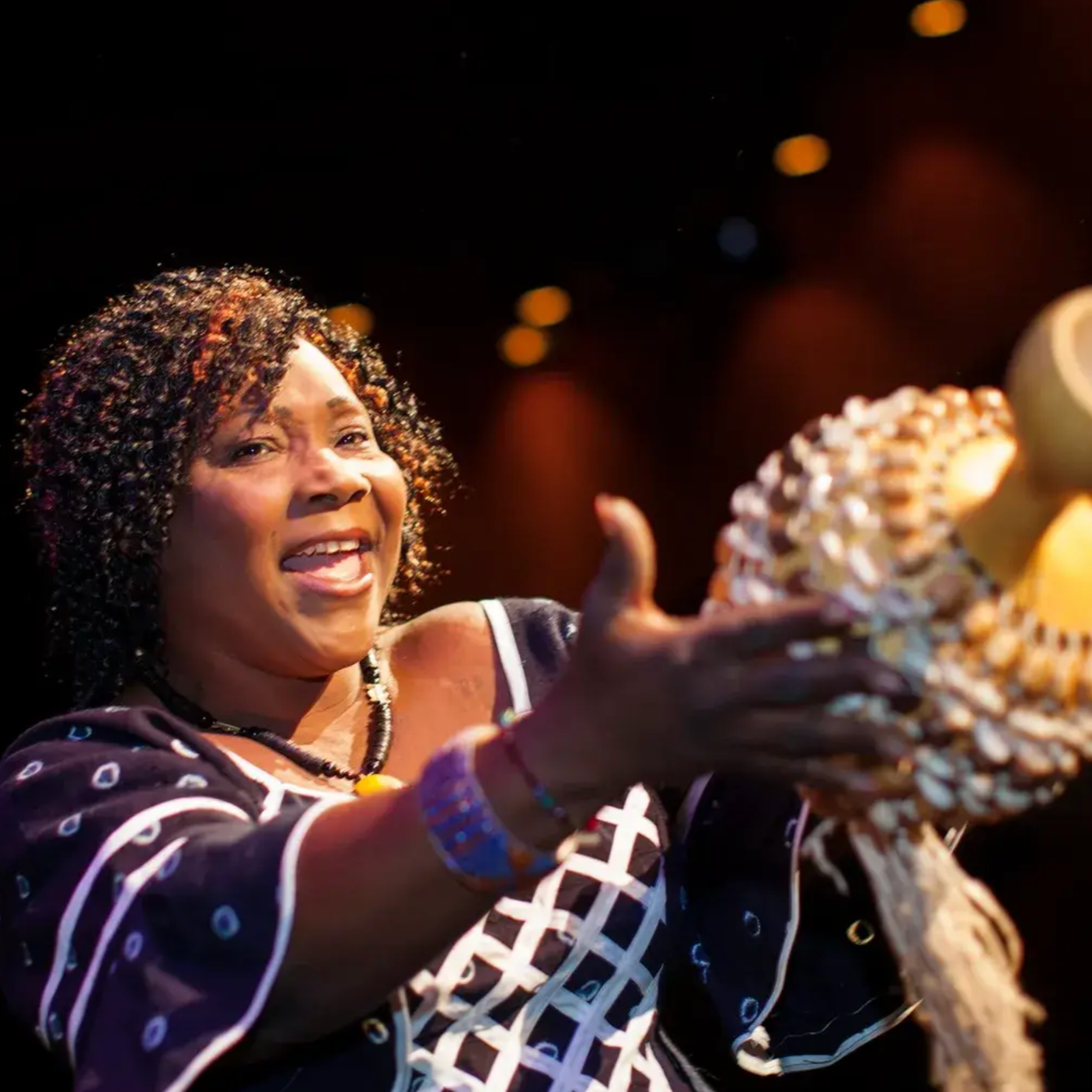
Hawa Kassé Mady Diabaté
Hawa Kassé Mady Diabaté possesses one of the most beautiful, versatile, and expressive voices of West Africa. A jelimuso (female jeli or ‘griot’) from Mali, she has acquired a cult following as the charismatic singer of Trio Da Kali, an acoustic trio which was formed by the Aga Khan Music Initiative specially to collaborate with the Kronos Quartet. She received rapturous reviews for her work on Kronos and Trio Da Kali’s collaborative award-winning album Ladilikan and for her moving performances with Trio Da Kali, who have toured widely in Europe and the US to critical acclaim. Her charismatic voice is emphatically 21st-century, but it is also steeped in the rich heritage of Mali’s griots, the hereditary musicians that date back to the founding of the Mali Empire in the 13th century. She was born into a celebrated griot family, the Diabatés of Kela, a village in southwest Mali famous for its music. Diabaté’s father, Kassé Mady Diabaté, was known for his entrancing singing, moving his listeners to tears —from which he gets his nickname, Kassé, ‘to weep’—a quality that Hawa has inherited, along with the nickname.

Kassé Mady Diabaté
Malian singer Kassé Mady Diabaté is considered one of the greatest traditional Mande voices of his generation. Kassé Mady’s timeless music is borne out of the West African tradition of the griot, a cultural figure and oral historian whose role is to record cultural identity and knowledge through oratory, lyricism and musicianship. Further solo albums included 2003’s Kassi Kasse, recorded in Mali and featuring guest appearances by Toumani Diabaté and bass player Orlando Cachaito López (Buena Vista Social Club); Manden Djeli Kan, recorded in France and released on Universal in 2009, and Kiriké, released on No Format Records in 2013. Kassé Mady’s very last project was with leading Spanish conductor and musician Jordi Savall’s monumental ensemble performance, The Routes of Slavery 1944-1888, which traced the tragic history of the transatlantic slave trade through European, African, and South American musical traditions. Kassé Mady Diabaté passed away in Bamako on May 24, aged 69.
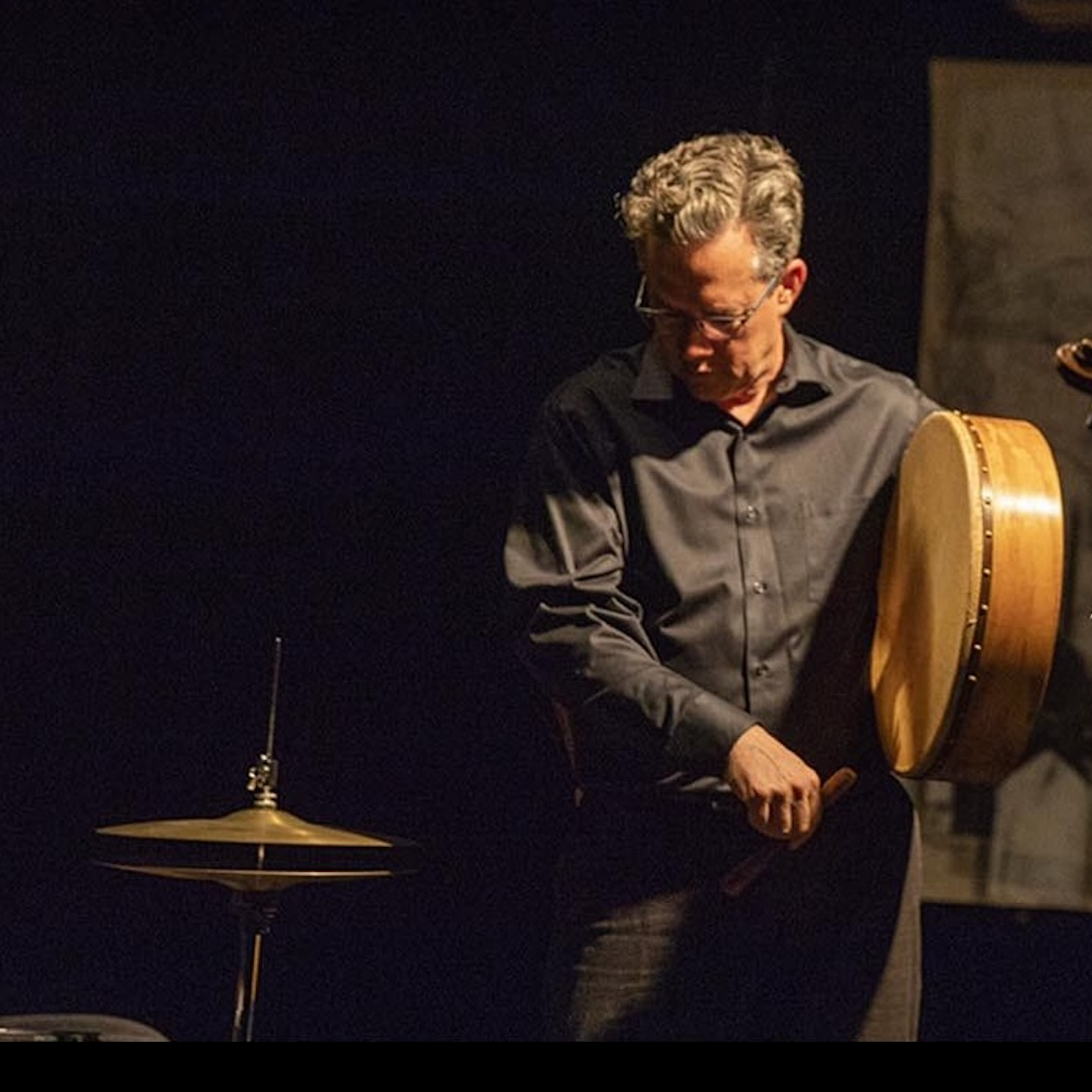
Peter Irvine
Peter Irvine is a percussionist, composer, and multi-instrumentalist with a background spanning orchestral, theatrical, and experimental music. He is a founding member of legendary American folk punk band Cordelia's Dad.
Peter performed at the Academy Awards, numerous prestigious arts venues including the Barbican, Lincoln, and Kennedy Center, festivals including Newport, City Stages (Birmingham), and Vancouver; live on innumerable radio stations including BBC, CBC, KCRW and Mountain Stage; and clubs such as CBGB, Freight & Salvage, Tractor Tavern, Iron Horse Music Hall, and the Cedar Cultural Center.
Peter is a longtime collaborator of Tim Eriksen, with whom he founded the folk-noise outfit Cordelia’s Dad, "the only band to have performed with both Doc Watson and Nirvana." The two are probably best known for their musical contributions to films including the Oscar-winning Cold Mountain and cult horror phenomenon The Outwaters. In recent years, they regularly perform Pumpkintown, the duo's New England magic lantern show with painter/projectionist Susan Brearey and released the duo album Absence and her sister (Soundkeeper Recordings) in 2026, which echoes their wide palette of musical styles and influences.

Remorae
Remorae are a collective of folk, jazz and electronic musicians brought together by the Folkatron Sessions recording project (featured by Songlines Magazine, BBC Radio 3, BBC Radio 2, 6 Music, Soho Radio, and Folk Radio UK) – Florence Brady, Hannah Jacobs, Lauren Spiceley, Martha Wiltshire, Joe Woods, and Denis Wouters. Described as “eclectic”, “genre-bending”, and “an English Lankum”, Remorae intertwines strings, close harmony vocals, and electric guitar with live electronics to create sound worlds that shift between ambient, pulsing, cinematic and intimate, sometimes shimmering and glitching, sometimes raw and strange. Exploring traditional musics through experimental processes, their EP Flourish in Green (2024) is the culmination of many years of experimenting with musical forms and modes of collaboration in unique constellations of artists and represents a pivot-point in the group’s creative practice, centring improvisation and live performance.

Tim Eriksen
Composer and ethnomusicologist Tim Eriksen is one of the greatest living exponents of traditional American folksong and an innovative multi-instrumentalist (banjo, fiddle, guitar, fretless bajo sexto). His background and ongoing collaborations cover a dizzying array of genres: hardcore punk, ‘shapenote’, Bosnian folk-pop, Carnatic classical, experimental electro-acoustic and symphonic music, to name a few. Although his primary musical training was in South Indian classical music, he cut his teeth as a performer as a founding member of seminal bands including Cordelia’s Dad, Žabe i Babe and Northampton Harmony. In 2008, he made his Carnegie Hall debut as a solo vocalist in composer Evan Chambers’ symphonic song cycle The Old Burying Ground. Known for extensive contributions to films including the Oscar-winning ‘Cold Mountain’, his current projects include writing songs for Alison Krauss, performing with Will Oldham/Bonnie “Prince” Billy and creating new works with Afro-Cuban pianist Omar Sosa for a follow-up to their twice Grammy-nominated 2009 collaboration Across the Divide. His shapenote compositions are sung regularly at singing gatherings around the world, and his song ‘I Wish the Wars Were All Over’ was chosen by Joan Baez to be her final recorded musical statement. Adding to a long list of theatre, film and dance collaborations, Tim has performed his ongoing original magic lantern musical theatre piece ‘Pumpkintown’ together with long-time musical collaborator Peter Irvine and painter/projectionist Susan Brearey at venues throughout the UK and US. Recent and upcoming projects include work with Alison Krauss, producer Joe Boyd (Nick Drake, Pink Floyd), hardcore punk band Stands For Nothing, nine-piece experimental group Batteries Die, survival horror video game Dark Pictures Anthology: Little Hope, indie horror film ‘The Outwaters’ and a posthumous duet with Macedonian music icon Esma Redžepova
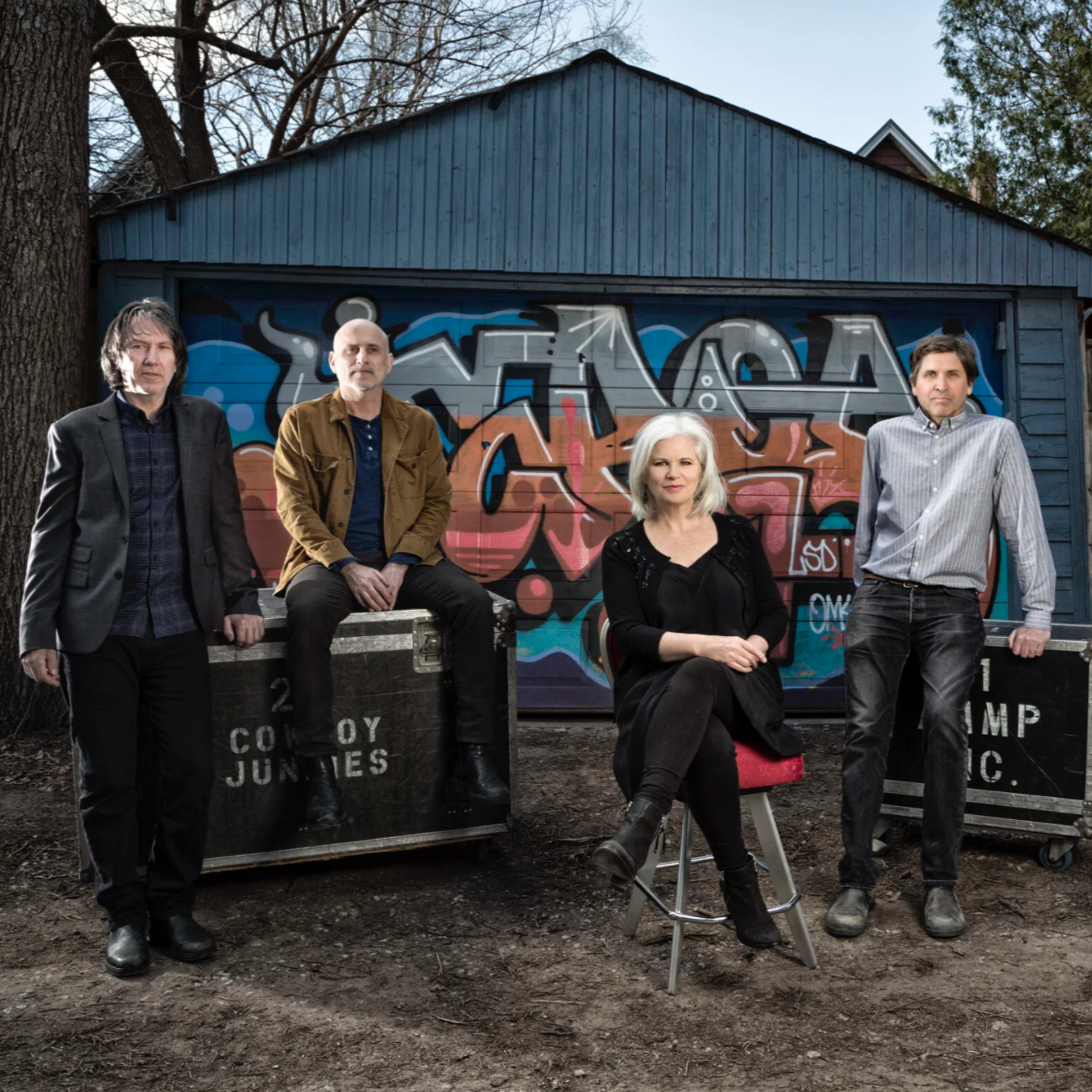
Cowboy Junkies
Cowboy Junkies are a Canadian alternative country/blues/folk rock band. The group was formed in Toronto, Ontario, in 1985 by siblings Margo Timmins, Michael Timmins, Peter Timmins, and their friend Alan Anton. After recording their debut album in the Timmins family garage, it was the follow-up release that brought the group international recognition. The Trinity Session was recorded live in one day on a single microphone in a church in Toronto in 1987 and included a perfectly conceived mix of covers – Lou Reed’s ‘Sweet Jane’, Hank Williams’ ‘I’m So Lonesome I Could Cry’, and Patsy Cline’s ‘Walking After Midnight’, and original compositions. The melancholic mixture of blues, folk, rock and jazz styles and Margo’s soft, beautiful voice teamed with Michael Timmins’ introspective lyrics and guitar playing, instantly made The Trinity Session a cult classic and brought the Cowboy Junkies a following that would remain loyal for the next 40 years. Cowboy Junkies have gone on to record 16 studio albums and five live albums and continue to regularly tour North America, Europe, Japan, Australia and New Zealand.

The Funk Ark
The Funk Ark was formed in 2007 by the Washington DC composer and keyboard player Will Rast, formerly a member of the Afrobeat group Antibalas. Rast assembled a group of talented DC instrumentalists to create the range of sound he was looking for, and what emerged incorporated his early love of vintage Funk and Soul, along with a wide range of instrumental jazz styles, and his growing interest in the Afrobeat music of Fela Anikulapo Kuti, Mulatu Astatke and Mahmoud Ahmed of Ethiopia, as well as the legendary Salsa ensemble The Fania Allstars. Across three exceptional albums, The Funk Ark nurtured a polyrhythmic funk sound, with a driving beat acting as a bed for soaring melodic improvisation and tight, powerful horn lines, a homage to vintage Afrobeat, Latin and funk stylings, recalling the best of Afrika 70, the JB’s and the Fania Allstars. Their first two albums, From The Rooftops and High Noon, were released on ESL, the label owned by Eric Hilton of Thievery Corporation, recorded at EST Music Studios with Thievery Corporation’s sound engineer Christopher 'Stone' Garrett. The third album, Man Is Monster, was released on the Philadelphia indie record label Ropeadope.

Guitari Baro
Guitari Baro – meaning ‘Guitar Conversations’ – is a groundbreaking instrumental trio from West Africa. The ensemble features three renowned griot musicians from Guinea and Mali: guitarists Gaoussou Kouyate and Kerfala Diabate, joined by balafonist Lassana Diabaté. The project features musical conversations across their shared Mande griot musical heritage, drawing on the entrancing regional styles of the repertoire, while also referencing idioms from jazz, Congolese rumba, rock, Guinean dance bands, and Cuban music, evoking the past and present in sublime, futuristic ways.

Ivana Đurić
Ivana Đurić is a virtuoso Bosnian violinist and arranger. Born in 1984 in Sarajevo, she began her classical music education when she was 9 years old and studied the violin in Bosnia and France. From 2010 to 2014, she was a member of the National Radio-TV Orchestra and still regularly performs with them on a variety of projects. In her twenties, she started to passionately research and arrange traditional Bosnian sevdah music. She first met Damir Imamović as a studio musician. After several years of musical collaboration and friendship, she joined his band Sevdah Takht in 2015. She features on and has (co-)arranged works on Imamović’s acclaimed albums Dvojka (Glitterbeat Records, 2016), Singer of Tales (Wrasse Records, 2020), and The World and All That It Holds (Smithsonian Folkways, 2023).

Maya Youssef
Maya Youssef is an award-winning Syrian qanun player and composer from Damascus, Syria. Her story began at the age of nine while on her way to the music institute in her hometown, where she was reluctantly studying the violin. A beautiful sound was drifting through the air from a nearby taxi, and it stopped her in her tracks – it was the sound of the qanun. The taxi driver laughed when Maya told him she was determined to play the instrument. “Girls don’t play qanun,” he said. This was a man’s instrument played only by men. But not anymore. Her debut album, Syrian Dreams, executive produced by the producer Joe Boyd, was critically acclaimed and led to awards, performances on prestigious stages such as the BBC Proms and WOMAD and recognition from the British government. For her follow-up album, Finding Home, Maya turned to producer Leo Abrahams for a poignant reflection on finding a spiritual home away from a war-torn homeland; it is a unique melding of classical Arabic tunes with Maya's distinctive style.

Philip Koutev
Philip Koutev (1903-82) was a groundbreaking Bulgarian composer and arranger, whose original compositions are still considered masterpieces today. His lifelong dream was to bring Bulgaria's rich folklore tradition to the stage. Together with his wife Maria Kouteva, a folklorist, philologist, and songwriter, he founded in 1951 by Bulgaria's government to found the State Ensemble for Folk Song and Dance, which also became known as the Philip Koutev Ensemble. With his choir, he pioneered a style of arranging folk songs by fusing traditional elements, such as the open-throat vocal technique, with Western classical forms and harmonies, and thus established an entirely new Bulgarian choral tradition.
In 1965, Elektra Records released a live recording of his brilliant compositions, Music of Bulgaria, which caused a sensation in the rest of the world that was repeated two decades later, when the Grammy-winning album Le Mystère des Voix Bulgares took audiences by storm and established the sound of Bulgarian women's choirs as one of the world's most distinctive and best-loved. His choral compositions and arrangements are sung by choirs worldwide. He remains to this day one of the most influential figures in Bulgarian and global choral music.
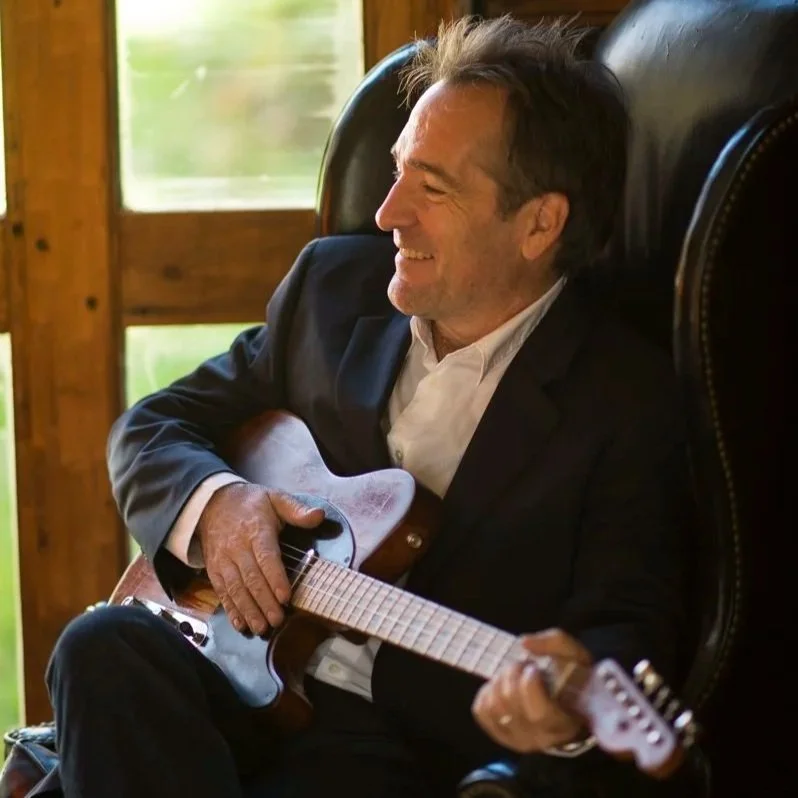
Richard Shindell
Richard Shindell’s songs paint pictures, tell stories, juxtapose ideas and images, and inhabit characters, vividly evoking entire worlds along the way. From his first record, Sparrow's Point (1992) to his current release, The Conditional (2025), Richard has explored the possibilities offered by this most elastic and variable of cultural confections: the song. Joining the songwriting scene in New York in the early 1990s, he signed a record deal with Shanachie Records, which released his first three albums, Sparrow’s Point (1992), Blue Divide (1994) and Reunion Hill (1997). The latter won the AFIM (NAIRD) award for "Best Contemporary Folk Album" in 1998 and the title track was covered by Joan Baez on her 1997 release, Gone From Danger. After moving to Argentina he broadened his scope, collaborating and producing albums with various artists, while always continuing to write and release his own original material. He continues to tour nationally in the United States, with the occasional forays into Canada, the UK, and Europe. Although known primarily as a songwriter, Richard takes a more holistic view of his career. Producer, writer, singer, guitarist, interpreter: it all adds up to a life in music.
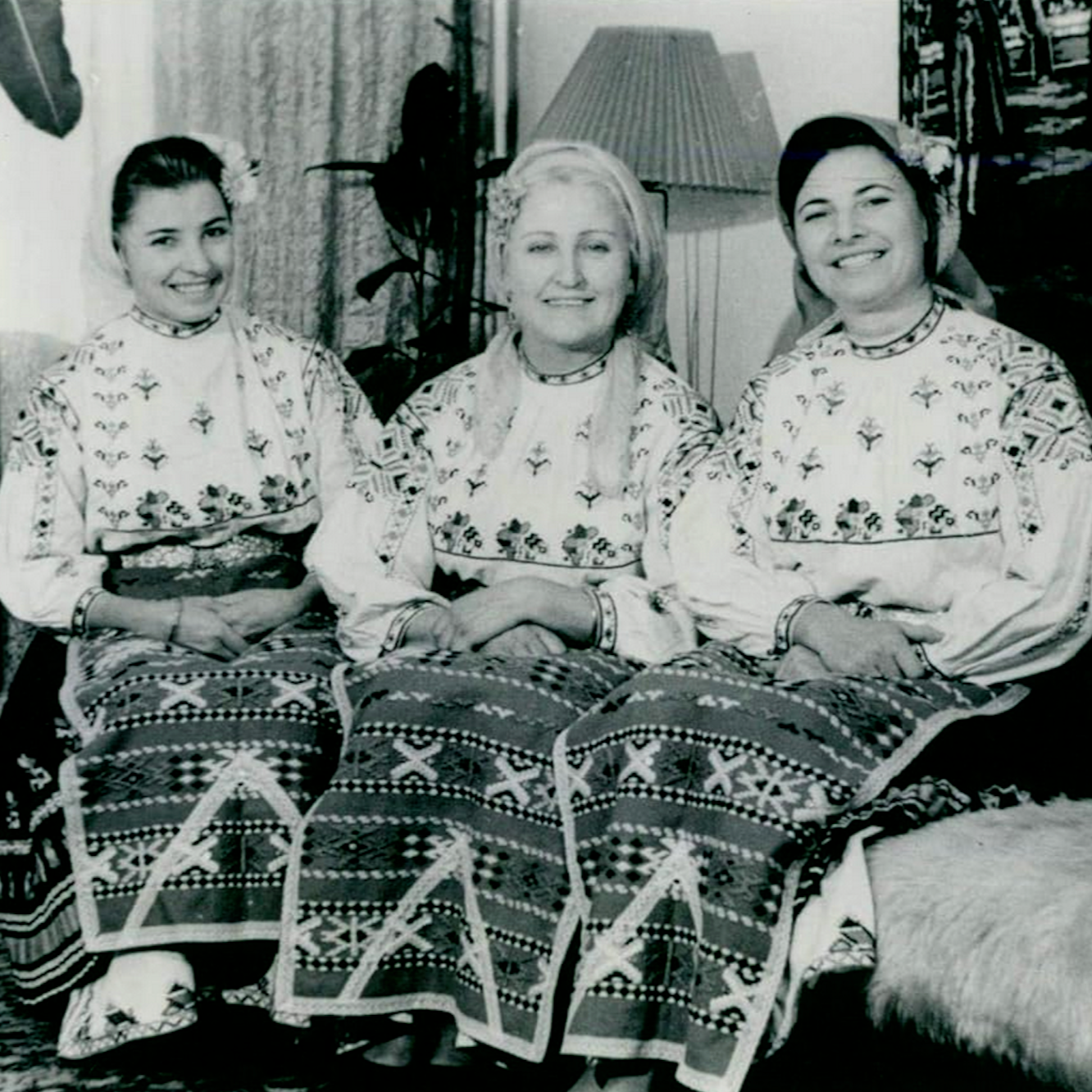
Trio Bulgarka
The female vocal ensemble Trio Bulgarka was at the forefront of the worldwide wave of popularity for Bulgarian female vocal choirs during the 1980s. Signed by Carthage Music partner Joe Boyd to his Hannibal label in the 1980s, the trio featured the distinctive voices of Yanka Rupkina, Stoyanka Boneva and Eva Georgieva. As well as their own successful releases in the 80s, including The Forest Is Crying, their voices were featured on Kate Bush albums in the 80s and 90s. They also had successful solo careers of their own, in particular Yanka Rupkina, who was a guest vocalist with Le Mystère des Voix Bulgares, and whose voice was sampled and then heard by the world on the dance group Leftfield hit single ‘Song of Life’ in the 90s. This recording continues to be sampled and remixed to this day.

Da Lata
Da Lata is a London-based Afro-Latin dance collective formed by DJ Patrick Forge and composer/instrumentalist Chris Franck (Smoke City, Zeep) in the early 21st century. Their first album, Songs From The Tin, released on Chris Blackwell's label Palm Pictures in 2000, was an instant classic and dance-floor favourite. Over three further albums – Fabiola, Birds, and Edge of Reason, Da Lata have continued to evolve, with Chris Franck gathering ever-changing line-ups of outstanding multi-instrumentalists (horns, flute, percussion, guitar, keyboards) and vocalists from Brazil, Senegal, Cape Verde, the USA, Japan, the UK and more.

Fodé Lassana Diabatéis
Fodé Lassana Diabaté is one of West Africa’s finest traditional balafon players. He was born in Guinea into a leading family of balafon players and relocated to Mali in the 1990s at the invitation of diva Ami Koita, one of Mali’s most popular divas of the time, to be part of her ensemble. He has since recorded and performed with many of Mali’s top artists, such as Toumani Diabaté, Salif Keita, Babani Koné, Tiken Jah Fakoly, and Bassekou Kouyaté and has collaborated with international artists across a number of genres, including jazz and Latin music.
His virtuosic playing can be heard on the legendary albums Kulanjan (Hannibal), those by Toumani Diabaté’s Symmetric Orchestra, and the Grammy-nominated Mali-Cuba collaboration Afrocubism (World Circuit). In 2020, he recorded his first solo balafon album, Bala, which was re-released in 2025 by Smithsonian Folkways
.
Hank Dogs
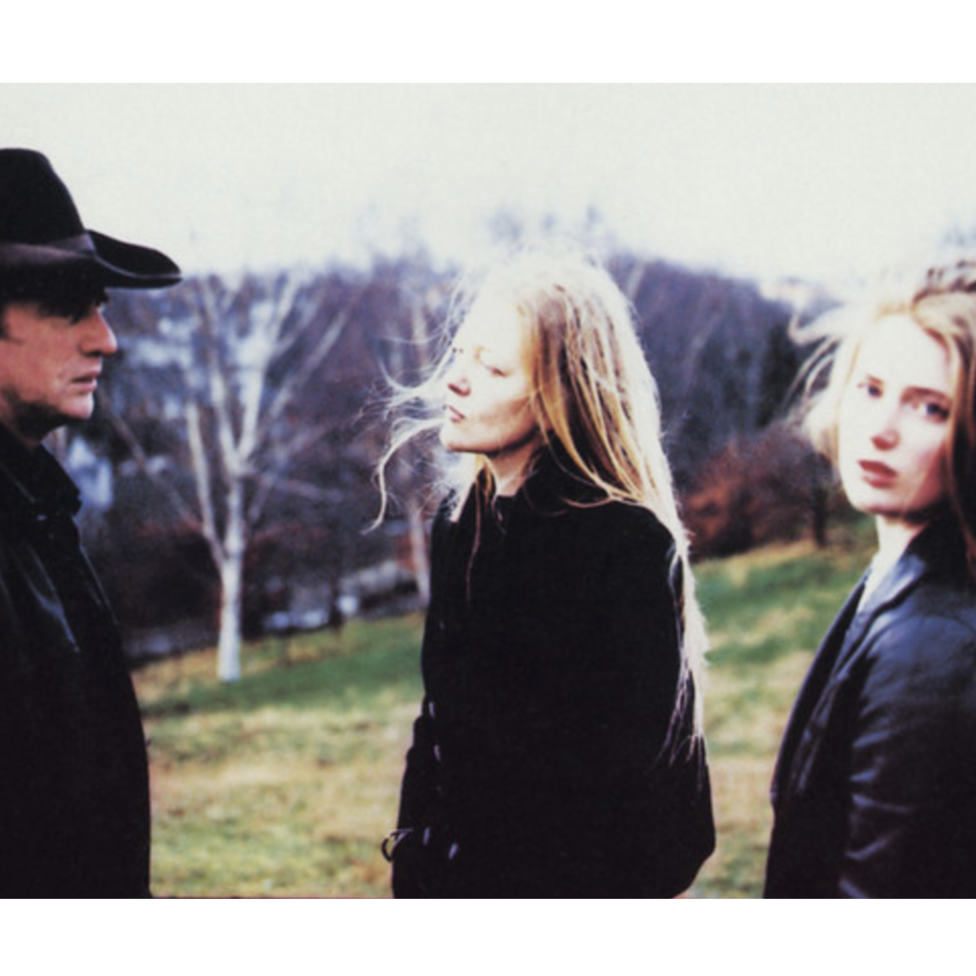
The South East London country folk band Hank Dogs are family: Andy Allan, his ex- partner, Piano, and Lily, Andy's daughter from a previous relationship. Discovered by record producer Joe Boyd while playing London folk clubs in London in the 1990s, he declared them the first British act he'd loved in 30 years and released their debut album Bareback on his Hannibal label. Their quiet, haunting sound, featuring ethereal vocal harmonies, strong traces of blues and Celtic music and Allan's fluid acoustic fingerpicking recalling UK folk guitarists such as John Renbourn, began to create a cult fanbase. A follow-up album, Half Smile, appeared in 2002, and this turned out to be their swansong. However, the story was not quite over – a third album, Fiveways, was released retrospectively in 2024 on South London label Scratchy Records. Fiveways contains much of the Hank Dogs' trademark English folk/US country-straddling sound, with occasional hints of Dolores Cranberry and Bridget St. John, while underneath the acoustic guitars run freeform tangled and Lily's backing vocals add sky.

Ivo Papasov
"Ivo's wedding music, played first thing in the morning, provides thorough and long- lasting attitude adjustment for the busy executive" (Frank Zappa). Known by his fans around the world as ‘The King Of Wedding Band Music’, Bulgarian music legend Ivo Papasov is a master of the Balkan clarinet. His extraordinarily virtuosic playing style must be seen to be believed, and his fiery concerts blending Bulgarian and Balkan folk with contemporary have been acclaimed throughout the world. In 1974, Ivo formed his Trakija band and so began a revolution in Balkan music. Starting with a purely traditional repertoire, it gradually incorporated more and more improvisation and a diversity of styles. This was the beginning of a new movement that would later be known as wedding band music. Meeting Joe Boyd in Bulgaria during the 80s led to two albums, Orpheus Ascending (1989) and Balkanology (1991), produced by Joe Boyd and released internationally by Hannibal Records. Live tours followed in the USA, Canada and Britain. In 2005, Ivo received the BBC Radio 3 World Music Audience Award. The exposure that followed led to a recording contract with World Village/Harmonia Mundi and an impressive new album, Dance Of The Falcon, released in 2008. He received the prestigious WOMEX Artist Award in 2022.
Muzsikás
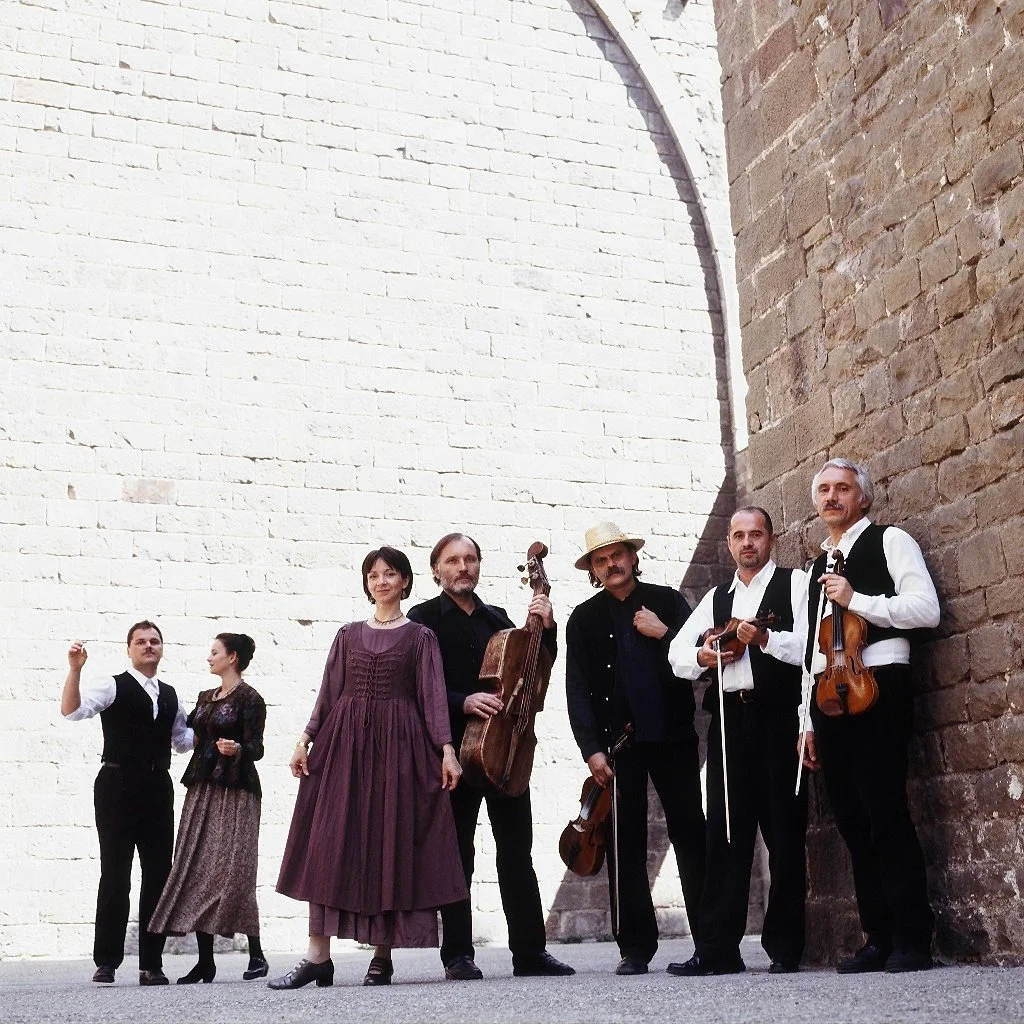
The traditional Hungarian group Muzsikás, along with legendary singer Márta Sebestyén, was a leading force in the 1970s Dance House Movement that rediscovered the authentic folk music traditions of Hungary that were suppressed during the Soviet era. In 1993, they recorded the landmark album Máramaros – The Lost Jewish Music of Transylvania, documenting the pre-World War II traditional Jewish folk and klezmer repertoire of the Maramures region, which was historically part of Transylvania and decimated during the Holocaust. It was a worldwide success and the first CD to be sold at Washington, DC’s Holocaust Museum. In 1997, László Portalecki replaced Sándor Csoóri. Collaborations with classical ensembles followed, presenting the roots of the music of Bartók and Kodály. This included The Bartók Album and a memorable Carnegie Hall concert in 2008 with the Takács Quartet and the renowned Hungarian pianist András Schiff. With an unrivalled career now spanning over 50 years, Muzsikás still tours and performs with the rising star Hanga Kacsó as their featured singer.
The Purple Gang
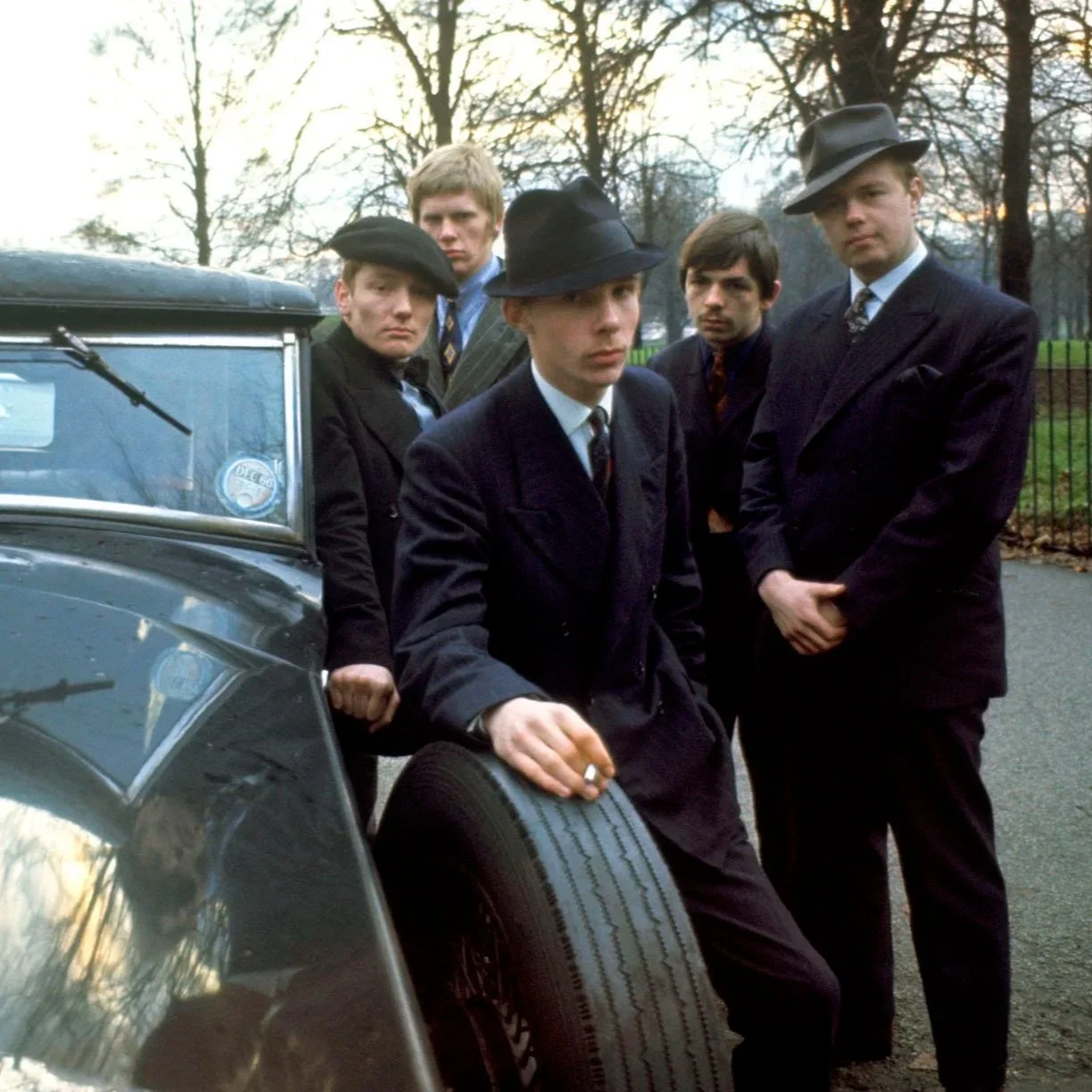
The Purple Gang is a sixties jug band from Stockport, who caught the attention of the London Underground music scene and teetered on the brink of success during the ‘Summer of Love’. Signed to Transatlantic Records, and backed by their producer Joe Boyd, the group shared stages with Pink Floyd, Cat Stevens, The Incredible String Band and others at the UFO and the legendary 14 Hour Technicolor Dream at Alexandra Palace. Their debut single ‘Granny Takes A Trip’, the title inspired by the Chelsea boutique of the same name, looked destined to become the soundtrack of the of 1967. But the all-powerful BBC had a different idea and decided to make an example of The Purple Gang: they banned the song because it had the word ‘trip’ in the title and so ended the dream of the hipster jug band before it had even really begun. But an iconic song will endure, and so it has proved for ‘Granny Takes A Trip’. Thanks to the belief and optimism of band leader and co-songwriter Chris Joe Beard, and the power of the internet, the song has achieved cult status in the ensuing decades and now sits alongside The Incredible String Band, Dr Strangely Strange, even the Kinks, on many a ‘summer of love’ compilation.

Saz’iso
Saz’iso are an all-star group of virtuoso musicians and legendary singers from Southern Albania, assembled by veteran producer Joe Boyd (Pink Floyd, Nick Drake, Cubanismo, Songhai) and his co-producers, Edit Pula and Andrea Goertler. Together with Grammy-winning engineer Jerry Boys (Buena Vista Social Club, Ali Farka Touré, Orchestra Baobab), they produced their first album, At Least Wave Your Handkerchief At Me, released in 2017 to worldwide critical acclaim. During the past ten years, Saz’iso have been invited to concert halls and festivals all over Europe and the Balkans and have won numerous prizes, including Songlines’ 2018 Best of Europe and the German Radio Critics Association’s Annual Award 2018. Their new album of Southern Albanian iso-polyphonic gems will be released in spring 2027.

Will Rast
American jazz and funk pianist and keyboardist Will Rast began playing piano when he was five years old. His parents gave him a child-size keyboard and a set of Great Composer tapes for Christmas. He began studying classical piano, and by the age of ten, he won first place in a young pianists’ competition at The Peabody Institute in Baltimore. That year, he also wrote a short piano piece called ‘Fantasia in A Minor’, which took first place in a National Association of Music Educators competition. He was invited to play his piece at the NAMM annual meeting in New Orleans, where he fell in love with jazz. As a student of world-renowned pianist Fred Hirsch at the Manhattan School of Music, he focused on jazz improvisation and theory. In 2000, while a sophomore, Will first saw the Brooklyn-based afrobeat band Antibalas at the now-legendary club No. Moore in New York. After hearing Antibalas that night, Will says he was inspired to form his own large and small funk/groove related ensembles. He eventually joined Antibalas in 2013, taking over the organ and electric piano duties from long-time keyboardist Victor Axelrod and played on their 2019 Grammy-nominated album Fu Chronicles (Best Global Music). After becoming well known as an accompanist and sideman in multiple genres, including several tours with Grammy-winning pop singer Mýa and Argentine songwriter and guitarist Federico Aubele, Will caught the ear of Eric Hilton, producer and co- founder of Thievery Corporation, and began working with him on several recording projects related to their label, ESL Music, including Thievery Corporation’s seventh studio album Culture of Fear. Another of these projects was the fourth record by Ocote Soul Sounds, the exciting collaboration between Grammy-winning Grupo Fantasma’s Adrian Quesada and Antibalas founder Martin Perna. In 2020, Will moved to Mexico, where he has continued to expand his solo music career and Latin-American musical collaborations.
Contact
For publishing and licensing enquiries contact:
Mail: faberalt@fabermusic.com